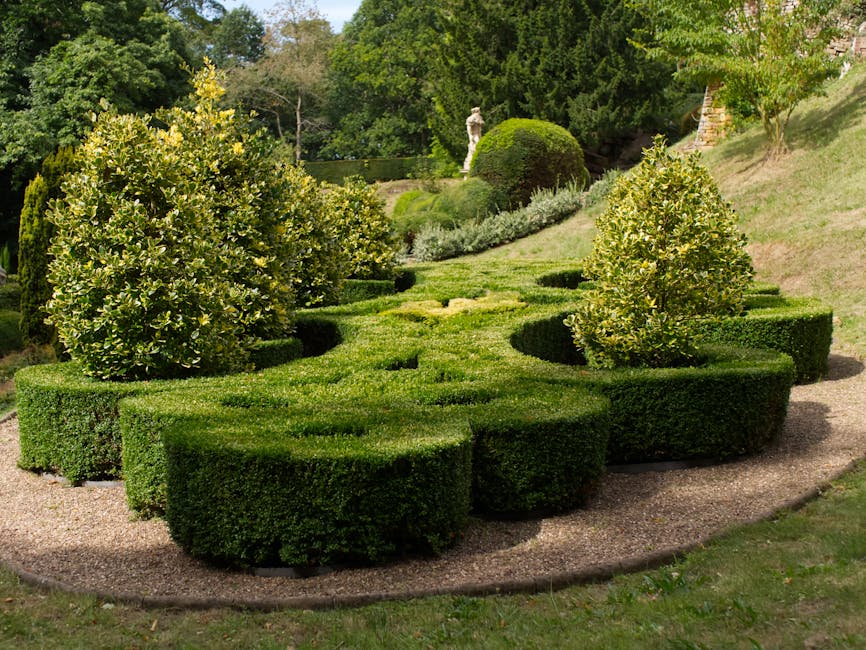
Gardeners Chigwell Row and Roding Valley Park garden guides
If you live near Chigwell Row or enjoy the green edges around Roding Valley Park, you already know the gardens here have a particular feel: leafy, private, a little sheltered, and often shaped by mature trees, mixed borders, and the kind of weather that can turn a neat lawn into a patchy one overnight. Gardeners Chigwell Row and Roding Valley Park garden guides are useful because they help you make better decisions for that setting. Not just the pretty parts, either. The practical bits too: maintenance rhythms, planting choices, tidying work, safety, and when to call in help.
This guide is written for homeowners, landlords, tenants, and anyone responsible for an outdoor space that needs to look good without becoming a weekend drain. You will find clear advice on how these garden guides work, why they matter locally, what to do season by season, and where professional services can fit in. Truth be told, a garden rarely fails because of one huge mistake. It usually slips through a dozen tiny ones. Let's fix that.
Why Gardeners Chigwell Row and Roding Valley Park garden guides Matters
Local garden guides matter because outdoor spaces are never managed in a vacuum. In and around Chigwell Row, gardens often face shade from established trees, compacted soil on older plots, heavy leaf fall in autumn, and awkward growth patterns where one section gets sun while another stays damp. Near Roding Valley Park, the nearby green corridor also means people often want gardens that feel natural, calm, and wildlife-friendly without looking scruffy. That balance is harder than it sounds.
A good garden guide helps you understand the relationship between place and maintenance. For example, a lawn that looks fine in May can thin out by late summer if drainage is poor. A hedge can seem low-maintenance until birds nest, growth surges, and the whole boundary needs careful timing. A patio edge near a shaded fence might collect moss faster than you expect. These are the sorts of local realities that generic advice tends to miss.
There is also the lifestyle side. Many households want a garden that is usable, not just presentable. Somewhere for coffee in the morning, a play space at the weekend, or a quiet spot when the weather does the rare British sunshine thing and everyone suddenly remembers they have a garden. The right guidance helps you choose actions that fit real life, not a glossy magazine spread.
How Gardeners Chigwell Row and Roding Valley Park garden guides Works
At its simplest, a garden guide works by breaking a large job into manageable decisions. Instead of asking, "How do I fix the whole garden?", you ask smaller questions: What needs trimming now? Which beds need refreshing? Is the lawn recovering or declining? Do I need clearance before maintenance can even begin?
Professional gardeners usually work in layers:
- Assess the space - looking at soil condition, plant health, access, shade, drainage, structure, and any safety issues.
- Prioritise urgent work - such as overgrown hedges, blocked paths, unsafe branches, or areas smothered by weeds.
- Choose the right method - mowing, trimming, clearing, pruning, landscaping, or a longer-term redesign.
- Build a maintenance rhythm - so the garden stays under control rather than swinging between neglected and frantic.
- Review outcomes - because a garden is seasonal and always a bit cheeky. What worked in spring may need changing by late summer.
That rhythm is important. A lot of people assume gardening is mostly about labour, but the thinking before the work is what saves time and money. For instance, if an area is regularly damp and shaded, forcing a sun-loving planting scheme there will usually lead to disappointment. Better to work with the site instead of arguing with it. Gardens win those arguments every time.
For broader support, many homeowners start by reviewing the full services overview and then narrowing down the right mix of maintenance, clearance, trimming, or landscaping work for their plot.
Key Benefits and Practical Advantages
Garden guides are not just about keeping things tidy. Done properly, they improve the whole way a garden functions. Here is where the value tends to show up most clearly.
- Less reactive work - regular guidance prevents the "everything needs doing at once" problem.
- Healthier planting - plants, shrubs, and lawns respond better when care is timed properly.
- Better use of space - a small garden can feel much larger once clutter, awkward edges, or poor layouts are corrected.
- Improved kerb appeal - useful if you are selling, letting, or simply tired of looking at a tired front garden.
- Safer access - clear paths, tidy borders, and properly managed trees reduce trip and visibility issues.
- Lower long-term cost - small, planned jobs are usually easier than one big rescue.
There is a quieter benefit too: peace of mind. When the garden is manageable, you stop carrying it around in your head. That sounds small, but it matters. You know that weekly feeling when the weeds are winning and you keep glancing out of the window pretending not to see them? Good guidance ends that.
If your garden has become difficult to manage because of thick growth or accumulated waste, garden clearance is often the sensible first step before any meaningful improvement work.
Who This Is For and When It Makes Sense
This kind of garden guidance is useful for a wide range of people, but it becomes especially valuable in a few common situations.
Homeowners with busy schedules
If you are working long hours, travelling, or juggling family life, your garden may only get attention in bursts. A guide helps you decide what can wait and what cannot. That stops the "I'll sort it next weekend" cycle from dragging on for months.
Older gardens with mature planting
Established gardens often need more judgement than effort. Mature hedges, trees, and borders can be lovely, but they need structure. In those cases, support from hedge trimming and tree lopping and removal services may be part of a sensible long-term plan, especially where light, access, or safety is becoming an issue.
Rental properties and managed homes
Lettings often require a garden to stay presentable without demanding constant intervention. A measured maintenance plan can help avoid tenant complaints, end-of-tenancy surprises, or awkward handovers. Not glamorous, but very real.
Homes preparing for sale
When a garden is part of a first impression, the basics matter more than fancy design. Clean lines, tidy grass, healthy structure, and uncluttered borders usually do more for appeal than expensive extras.
People planning a redesign
If you are thinking beyond upkeep and want the garden to work harder for you, then planning and structural work become relevant. That might include layout changes, new surfaces, planting schemes, or better transitions between lawn, seating, and boundary areas. In those cases, browsing landscape gardening and landscaping can help you understand what level of intervention makes sense.
Step-by-Step Guidance
Here is a practical way to approach a local garden guide without overcomplicating it. Keep it simple at first. The garden will tell you what needs attention pretty quickly.
- Walk the garden slowly
Look for overgrowth, poor drainage, dead patches, broken edges, blocking branches, and weeds. Do this in daylight if you can; small problems become much clearer than they do through a kitchen window. - Separate urgent issues from cosmetic ones
Unsafe branches, slippery surfaces, and blocked access come before border neatness. A garden should be safe before it is stylish. - Decide whether you need clearance, maintenance, or redesign
Heavy accumulation of debris points to clearance. If the garden is basically healthy but untidy, maintenance may be enough. If the structure no longer suits how you live, look at design or landscaping work. - Sort the lawn first if it is central to the space
A lawn can pull a whole garden together, or drag it down. Regular cutting, edging, and sensible seasonal treatment usually make the biggest visible difference. For ongoing help, lawn mowing is one of the simplest ways to keep things under control. - Tackle hedges and boundaries
Clean boundaries make the whole garden feel finished. They also stop light from being unnecessarily blocked. Do not wait until the hedge has become a mini woodland. - Improve plant health gradually
Mulch, pruning, watering, and soil care should follow the plant's needs, not the calendar alone. Some plants recover quickly; others need a gentler hand. - Review the access routes
Paths, steps, and side returns should be easy to use, especially if you are moving tools, bins, or garden waste. A tidy route makes all outdoor work easier. - Set a maintenance cadence
Weekly, fortnightly, monthly - whatever fits the garden. The point is consistency. Small and steady almost always beats a heroic weekend push.
If the space includes timber features, raised areas, or a deck that joins the seating zone, it can be useful to factor in decking services at the planning stage so the whole garden works as one space, not a collection of bits.
Expert Tips for Better Results
Small improvements in judgment often create the biggest gains. Here are a few practical habits that make a noticeable difference in real gardens.
- Cut less, more often - especially with grass in active growing periods. It keeps the lawn steadier and reduces stress on the surface.
- Trim hedges before they become awkward - once a hedge is too large, the job becomes heavier, messier, and easier to postpone again.
- Work with shade, not against it - in partly shaded spaces, choose plants that tolerate lower light rather than trying to force sun-loving species to cope.
- Leave room for access - narrow passages, bins, and tool storage affect the actual maintenance process more than most people expect.
- Use the season properly - spring and early summer are for momentum; late summer is for control; autumn is for clearing, settling, and protecting.
- Keep notes - even a rough note of what was planted, trimmed, or removed can help next year. A tiny notebook works fine. No need to get fancy.
One local reality worth remembering: gardens around mature, greener corridors can attract more leaf litter and bird activity, which is lovely until you are trying to keep a path clear. That is part of the charm, to be fair. It just needs regular attention.
If sustainability matters to you, ask how green waste is handled and whether materials can be recycled or repurposed. A responsible approach can often be found through recycling and sustainability.
Common Mistakes to Avoid
Most garden problems come from sensible intentions applied at the wrong time or in the wrong order. Easy mistake to make. Happens all the time.
- Trying to fix everything in one go - the garden gets overwhelmed, and so do you.
- Ignoring drainage - a beautiful bed over bad drainage is still a problem.
- Cutting back too hard - some plants recover, some sulk for months, and a few never quite forgive you.
- Leaving hedge and tree work too late - once growth is out of control, access and safety become more complicated.
- Forgetting the aftermath - pruning creates waste, mowing creates clippings, clearance creates a pile. The tidy-up is part of the job.
- Choosing style before structure - if the soil, shade, and layout are wrong, decoration will not save it.
Another common one is treating all green spaces the same. A sheltered family garden, a front drive border, and a semi-wild edge near a park pathway all ask for different decisions. That sounds obvious, but in practice it is where people trip up.
Tools, Resources and Recommendations
You do not need a van full of gear to manage a garden well, but the right basic tools help. More importantly, they help you decide what is realistic to do yourself and what is better left to a professional team.
Useful everyday tools
- Secateurs for light pruning and deadheading
- Shears for smaller hedge work
- Lawn rake for clippings and leaf fall
- Spade and fork for border work and soil preparation
- Gloves that actually fit, which is rarer than it should be
- A sturdy wheelbarrow or garden sack system for moving waste
When professional help becomes sensible
If the work involves heavy waste, repeated upkeep, awkward access, large hedges, or tree-related risk, it is usually more efficient to get support. A simple query through pricing and quotes can help you compare the scale of the job against the time and tools you would need to do it yourself.
For larger transformations, many readers also look at landscape gardening first and then decide whether the next step is structural landscaping, planting renewal, or phased maintenance. That staged approach is often the least stressful.
Trust and service considerations
When choosing help, look for clear communication, sensible scheduling, insurance awareness, and transparent handling of waste and access issues. If you want to understand the company ethos before booking, about us is a useful place to start, and the insurance and safety information can be helpful where heavier work is involved.
Law, Compliance, Standards, or Best Practice
Gardening is not the same as construction, but it still involves responsibilities. Best practice in the UK usually means working safely, respecting neighbours, handling waste appropriately, and being careful around trees, hedges, nesting birds, and shared boundaries.
In practical terms, that means a few simple principles:
- Work safely around height and cutting tools - especially with ladders, saws, and large hedge sections.
- Be careful with trees and protected features - not every branch should be removed on impulse. Some jobs need checking before action.
- Respect wildlife and nesting seasons - prune and clear with care rather than rushing through sensitive periods.
- Dispose of waste responsibly - green waste, timber, and mixed debris should be separated where possible.
- Keep access safe for residents and visitors - paths, steps, and drive edges should remain usable during work.
If a job feels awkward, high, heavy, or uncertain, that is usually the point to stop and reassess. A sensible approach is not a timid one; it is a professional one. For heavier or riskier work, many homeowners prefer to check the provider's health and safety policy and terms and conditions before agreeing to anything.
You may also want to confirm how payments are handled and what security measures are in place. It is not the most exciting part of a garden project, admittedly, but it matters.
Options, Methods, or Comparison Table
Not every garden needs the same solution. Here is a simple comparison to help you decide which route is most appropriate.
| Approach | Best for | Typical strengths | Limits |
|---|---|---|---|
| Routine maintenance | Gardens that are healthy but untidy | Keeps growth controlled, lowers stress, easy to schedule | Won't solve poor layout or chronic access problems |
| Clearance work | Overgrown, neglected, or cluttered spaces | Creates a reset point, removes waste, restores usable space | Usually needs follow-up care to avoid relapse |
| Landscape gardening | Gardens needing structural or planting improvements | Improves flow, usability, and visual balance | Takes more planning and may cost more upfront |
| Full landscaping | Spaces needing significant redesign or rebuilding | Best for long-term transformation and hard-wearing results | More disruption, more decisions, longer timeline |
In many real cases, the best answer is not one option but a sequence. A messy garden might need clearance first, then maintenance, then a phased landscaping plan. That staged route often feels slower at the start, but it tends to be cleaner and less expensive overall.
Case Study or Real-World Example
Consider a typical semi-detached garden near a leafy residential stretch: a narrow lawn, a hedge that has crept higher over time, a shaded side return, and a rear border full of self-seeded growth. Nothing dramatic. Just the sort of garden that looks fine from a distance and mildly overwhelming when you step into it with gloves on.
The owner might start by deciding the garden feels too much like a storage area and not enough like a place to use. The first job would be clearance: remove dead material, lift out broken pots, cut back the worst of the overgrowth, and clear the main access line. After that, the lawn can be assessed properly. If it is patchy but recoverable, mowing and edge work may be enough for the short term. If the hedge is blocking too much light, a controlled trim helps open the space up. If the rear border has poor structure, a redesign may follow later.
What usually changes most is not just the look, but the feeling of the garden. It becomes lighter, easier to move through, and less mentally noisy. You start using it again. Breakfast outside. A child's scooter across the path. A quiet chair in the evening. Small things, but they matter. And that is the point, really.
Practical Checklist
Use this quick checklist before you decide what your garden needs next.
- Walk the full garden and note what feels unsafe, overgrown, or underused
- Check whether you need clearance, maintenance, or a broader redesign
- Inspect lawn health, edge definition, and drainage concerns
- Review hedge height, shape, and timing for trimming
- Look at tree branches, shade issues, and any signs of crowding
- Confirm where waste will go and how it will be removed
- Think about how often the garden should be visited or maintained
- Decide whether decking, paths, or seating areas need improvement
- Budget for both the main job and the follow-up care
- Choose a provider with clear service information and sensible safety practices
Practical summary: The best garden guides do not chase perfection. They help you make the next right decision, then the one after that. That is how a garden in Chigwell Row or near Roding Valley Park becomes easier to live with, season after season.
If you are ready to move from planning to action, it is worth exploring the relevant service pages, comparing the scope of work, and then making a decision that matches your space rather than guessing. If you want a straightforward starting point, garden maintenance is often the most sensible next step for ongoing care, while landscaping suits more ambitious changes.
Get a free quote today and see how much you can save.
Conclusion
Gardeners Chigwell Row and Roding Valley Park garden guides are most valuable when they help you make calm, practical choices. They show you how to manage growth before it becomes a problem, how to improve a garden without overcomplicating it, and how to think in seasons rather than panic. Around here, with mature planting, changing shade, and the everyday pressure of busy lives, that kind of guidance is genuinely useful.
Whether you need a tidy reset, a consistent maintenance plan, or a more complete transformation, the smartest approach is usually the same: start with the basics, stay realistic, and build from there. A garden does not need to be perfect to be beautiful. It just needs care, a bit of judgement, and the occasional nudge in the right direction.
And honestly, when the evening light drops over the border and everything settles down a little, that effort pays you back in a way that is hard to quantify. Quietly. Every time.
Frequently Asked Questions
What do Gardeners Chigwell Row and Roding Valley Park garden guides actually cover?
They cover the practical side of looking after local gardens: maintenance, clearance, hedge and lawn care, planting advice, layout decisions, and when to bring in professional help. The best guides also explain what to do first, what can wait, and how to keep the work manageable.
Why is local guidance better than general gardening advice?
Because local conditions matter. Shade, mature trees, damp patches, leaf fall, and access issues can vary a lot from one garden to another. A guide that reflects the Chigwell Row and Roding Valley Park setting is more likely to suggest realistic, workable steps.
When should I book garden clearance instead of maintenance?
If the space is heavily overgrown, cluttered with waste, or difficult to access, clearance usually comes first. Maintenance is better when the garden is basically healthy but just needs regular care. If you are unsure, clearance first is often the cleaner reset.
How often should a typical garden be maintained?
It depends on the size, planting, and how fast things grow, but many gardens benefit from a weekly or fortnightly rhythm during active growing periods. The goal is consistency rather than long gaps followed by huge catch-up jobs.
Is lawn mowing enough to keep a garden looking tidy?
Sometimes, but not always. A neat lawn helps a lot, yet borders, hedges, edges, and waste removal also shape the overall look. If the lawn is tidy but the boundaries are shaggy, the garden still feels unfinished.
What should I do about hedges that are getting too tall?
Trim them before they become hard to manage. Tall hedges can block light, affect neighbours, and become much harder to cut safely. If the hedge is already large or awkward, it may need careful professional trimming.
Can landscaping improve a small garden?
Yes, very often. Good landscaping can improve flow, create better seating areas, make borders easier to care for, and give a small garden a more open feel. The trick is to keep the design simple and suited to the space.
What are the signs that my garden needs more than just tidying?
If you notice poor drainage, repeated weed problems, patchy lawn recovery, awkward access, or a layout that no longer suits how you use the space, it may be time for a more structural approach such as landscape gardening or landscaping.
How do I choose between doing the work myself and hiring help?
Ask yourself how much time, equipment, and confidence the job really needs. Light maintenance can be DIY-friendly, but heavy clearance, large hedges, tree work, or full redesigns are often more sensible with professional support.
Are there safety concerns with garden work?
Yes. Common risks include slips, cuts, falls, awkward lifting, and problems around trees or large hedge sections. Safe access, proper tools, and a careful plan matter more than people sometimes realise.
What is the best first step if my garden feels overwhelming?
Walk the space and separate urgent issues from cosmetic ones. Then decide whether you need clearance, maintenance, or a bigger redesign. Once you know the category, the job becomes far easier to handle.
How can I make my garden easier to maintain long term?
Choose plants that suit the light and soil, keep pathways clear, trim before growth gets out of control, and use a steady maintenance routine. A simpler layout often helps as much as extra labour. Sometimes less really is more.